Business Name: BeeHive Homes of Pagosa Springs
Address: 662 Park Ave, Pagosa Springs, CO 81147
Phone: (970-444-5515)
BeeHive Homes of Pagosa Springs
Beehive Homes of Pagosa Springs assisted living care is ideal for those who value their independence but require help with some of the activities of daily living. Residents enjoy 24-hour support, private bedrooms with baths, medication monitoring, home-cooked meals, housekeeping and laundry services, social activities and outings, and daily physical and mental exercise opportunities. Beehive Homes memory care services accommodates the growing number of seniors affected by memory loss and dementia. Beehive Homes offers respite (short-term) care for your loved one should the need arise. Whether help is needed after a surgery or illness, for vacation coverage, or just a break from the routine, respite care provides you peace of mind for any length of stay.
662 Park Ave, Pagosa Springs, CO 81147
Business Hours
Monday thru Friday: 9:00am to 5:00pm
Facebook:
YouTube:
💬 ChatGPT 🔍 Perplexity 🤖 Claude 🔮 Google AI Mode 🐦 Grok
Families seldom get to the decision for assisted living in a single conversation. It has a tendency to build over months, sometimes years, of tiny hints. A missed out on meal here, an unwashed t-shirt there, a loss that does not obtain mentioned until the bruises reveal. As someone that has actually functioned along with families and older grownups across the spectrum of Senior citizen Treatment, I have actually learned the decision is not around surrendering. It is about trading one set of dangers and stressors for one more set that is much more manageable, much safer, and often kinder to everybody involved.
This guide is suggested to help you review that tipping point with clear eyes. It mixes practical checklists with lived experience, since the option rarely depends upon one variable. It's a problem made of wellness, finances, self-reliance, family members dynamics, and timing.
What aided living in fact provides
Assisted Living sits in between fully independent living and assisted living facility. It's developed for older grownups that can live mostly separately yet need aid with details activities of day-to-day living, such as showering, dressing, medicine management, and dish preparation. Neighborhoods vary, however many supply 24/7 staff accessibility, emergency response systems, housekeeping, dishes, transportation, and organized social activities. Some give on-site nursing for regular requirements like insulin injections or catheter treatment, though intricate medical needs usually need a greater level of knowledgeable nursing.
Importantly, helped living is not a healthcare facility, and it is not memory care. Memory Care is a specialized atmosphere for people with Alzheimer's or various other mental deteriorations that need organized routines, higher guidance, and safe and secure setups to avoid straying. Lots of universities provide both assisted living and Memory Care so homeowners can change if cognition changes.
The signal below the sound: what truly drives the timing
When households ask me, "Is it time?", they usually bring a couple of problems. However below, the pattern tends to find to 3 motifs: security, uniformity, and sustainability.
Safety means avoiding injuries, drug errors, or straying. Consistency indicates the fundamentals obtain done everyday, not simply on excellent days. Sustainability speaks to whether the current plan can last without wearing out the caregiver or threatening funds. If among these is continually at a loss, assisted living should have a major look.
Consider an usual situation. Your mommy, 82, lives alone. She's missed a couple of blood pressure pills, nothing devastating. But mail accumulate, the fridge is sparse, and her stride is slower. You begin coming by after job. A month later on, your gos to slip into day-to-day check-ins, then working with home aides, after that fielding midnight calls when the smoke alarm chirps. Each task is sensible. With each other, they erode your ability and her safety and security margin. Aided living is typically the ideal action not due to one remarkable failing, yet due to the fact that the very early warning lights keep blinking.
Functional modifications that matter more than birthdays
Age is a horrible predictor. Function is better. I take notice of the activities of everyday living, and to the much less attractive important tasks that maintain a home upright.
If bathing takes huge effort and occurs much less than two times a week, drops are more likely. If dressing is a struggle, seasonal inequalities appear: a winter sweater in June, no coat in December. If dish prep slips, you could locate expired yogurt, stale bread, or a microwave packed with unopened icy dinners. Medication nonadherence shows up as refill calls quicker than expected, tablet boxes out of order, or simply unclear answers when you ask what was taken today.
Short-term memory problems typically impersonate as grumpiness or stubbornness. Look instead at patterns. Repeating stories 3 times in an hour. Losing a purse in the freezer. Paying the exact same bill two times, after that overlooking another for months. These are not peculiarities. They are information points that suggest the scaffolding of day-to-day live is cracking.
When 2 or more of these domain names are consistently endangered, helped living can recover stability. For households taking into consideration assisted living for a parent, that threshold is a more trustworthy overview than chronological age.
The autumn that changes everything
Falls are the leading reason families pivot. The first might be small. The second can lead to a browse through to the emergency department. After the 3rd, the home itself becomes a suspect. Despite grab bars and rugs removed, a two-story format or slim bathroom can defeat the most effective intentions.
I dealt with a retired teacher who insisted her split-level home maintained her "fit." Her child tracked events for three months: four finds stairways, one real loss, and 2 times when she slid from bed while grabbing a light. None were serious, yet the pattern suggested a major injury was not a matter of if, but when. She moved to assisted living, whined for two weeks, then worked out in with the book club and a Tuesday painting group. The child, who had been checking her phone every hour, ultimately slept via the night. In some cases the benefit is that quiet.
When memory adjustments point to Memory Care
Normal aging means slower recall, not obtaining shed on the way to the washroom. Memory Treatment, contrasted to aided living, uses safe doors, normal cueing, even more personnel assistance, and tasks tailored to cognitive capabilities. The right time to explore Memory Take care of parents commonly gets here with wandering, constant anxiety in late mid-day, or trouble with patterns like wearing the right order.
The line can be subtle. A resident might do well in assisted living with cueing and organized regimens for a very long time. But if behaviors put them or others in jeopardy, or if they can not self-direct despite having promptings, Memory Care's tighter framework can minimize anxiousness and improve quality of life. Family members occasionally withstand due to the fact that "secured doors" sound revengeful. In practice, those safeguards frequently indicate citizens can walk around openly and safely within a thoughtfully made area, instead of being restricted to a recliner chair and a television for fear of elopement.
Caregiver fatigue is a scientific sign, not an individual failure
The partner of this equation is you. Caregiver strain can resemble headaches, impatience, sleep problems, or a sharp drop in your very own productivity. I have watched committed spouses push up until their blood pressure surged, and adult youngsters juggle job, children, and late-night medication charts up until something snapped. A system that relies on a single person not getting sick or taking a day of rest is a system on borrowed time.
Burnout is details. It informs you the present treatment plan is not sustainable. Aided living brings a team. You still stay the anchor, but you are not the just one holding the ship.
Cost, value, and what family members overlook
The sticker label shock is genuine. Median assisted living prices in several states range from regarding 3,500 to 6,500 bucks per month, with higher costs in city centers and for additional services like two-person transfers or diabetes monitoring. Memory Treatment normally runs 20 to 40 percent greater than the assisted living base as a result of staffing ratios and programming.
What families commonly miss out on is the concealed cost of staying home. Add up home care hours, cleansing, yard solutions, meal distribution, transportation, emergency monitoring, and the lost incomes or reduced hours of the main caretaker. Layer in the price of alterations, like walk-in showers or staircase lifts, plus the risk price of an autumn. In many cases, the all-in in your home suits or exceeds assisted living, while delivering much less consistency.

There are smart methods to manage the financial piece. Long-term treatment insurance coverage, if active, might contribute. Professionals' Aid and Attendance can help qualifying veterans and partners. Some states use Medicaid waivers for assisted living, though schedule and quality vary. Swing loan can cover minority months in between move-in and home sale. But be wary of "complete" rates that silently excludes essential solutions, like drug administration or incontinence products. Request for the full cost timetable, including levels of treatment and how analyses are performed.
Signs it is time to begin touring, not just talking
Momentum matters. Families frequently wait on a situation, then make hurried choices. The much better course is to explore when your moms and dad is still safe in your home, after that revisit every 3 to six months. You will certainly get a sense of fit, cost, and whether the neighborhood has a elderly care place when you need it.
Here is a straightforward, field-tested checklist to aid you determine when to move from discussion to energetic touring and applications:
- Two or more falls in 6 months, or one fall with injury Missed drugs weekly, or complication regarding dosing despite a tablet organizer Weight loss of five percent or even more in three months, or repeating dehydration Significant caregiver strain gauged by rest interruption, missed job, or health changes Wandering, getting lost in familiar places, or leaving the oven on
If 2 or even more things hold true, start exploring within the next month. If three or even more, create a concrete timeline and recognize at least two appropriate communities with present availability.
What excellent assisted living feels and look like
Photos can be deceiving. The actual test is in the hallways, eating room, and involvement on an arbitrary Tuesday early morning. Listen to staff tone. Do they welcome locals by name? See just how a caregiver replies to a repeated inquiry. Persistence is the baseline; warmth is the bonus.
Ask to see the month-to-month activity schedule, after that go down in on something unannounced, like chair yoga exercise or trivia. You want range: motion, cognition, imagination, and small-group social time. Inquire about nighttime staffing, drug management procedures, and exactly how they manage a citizen that refuses a shower or dish. The responses will certainly inform you exactly how they deal with autonomy versus security, and whether they personalize care or default to inflexible rules.
Dining is the heart beat of lots of neighborhoods. Preference a dish ideally. Try to find choices, not simply a solitary entrée. Ask about choices, therapeutic diets, and how they manage late risers. I have actually watched citizens transform when dish times ended up being social once again, and when food preferences like food.
If you are taking into consideration memory care for moms and dads, ask about team training particular to dementia, use nonpharmacological techniques to frustration, and how they include families in treatment preparation. Observe whether citizens are involved or parked in front of a TV. Check the outdoor area, and whether it is genuinely secure and inviting.
The move-in dip is normal, and temporary
Even in the best area, the initial couple of weeks can be bumpy. Rest can be off, moods flare, and complaints increase. Modification is hard at any type of age. The key is to forecast the dip and plan for it.
I encourage households to visit in much shorter, a lot more constant ruptureds in the beginning, as opposed to all the time. Bring familiar things quickly, not in dribs and drabs. A preferred chair, photos at eye degree, a blanket that feels like home. Coordinate drug settlement with the registered nurse, and double-check that all prescriptions and non-prescription things are properly transferred. Ask team which times of day are hardest and whether a different shower routine or morning meal timing could help.
Expect regarding 2 to 6 weeks for a brand-new standard. If distress remains high after that, zoom in on specifics: a roommate mismatch, a noisy area near the elevator, or a task schedule that misses your moms and dad's best time of day. Little adjustments often take care of big feelings.
Autonomy, self-respect, and the space to be themselves
No one wants to be taken care of. The best aided living areas recognize that self-reliance is not a binary. It can be maintained in hundreds of little methods: picking clothing, bringing an animal, determining when to eat breakfast, or keeping a plant on the windowsill. Good caretakers try to find the resident's rhythm and bend the routine to fit where they can.
Families can sustain this by sharing a "Get to Know Me" picture: favorite songs, pastimes, wake and sleep practices, how they take their coffee, what calms them when distressed. This is specifically crucial for Memory Care. A homeowner that loved gardening might react to seed brochures or a little elevated bed, while somebody that was an accounting professional might delight in arranging coin rolls or stabilizing a simulated ledger. Self-respect expands from being viewed as an individual, not a collection of tasks.
Common arguments, responded to with respect
"I promised I 'd never place Dad in a home." That guarantee is actually concerning securing him from forget or isolation. Assisted living today is not the institutional "home" you could remember from decades past. You are not damaging the spirit of the guarantee if the action boosts safety and top quality of life.
"She'll hate me." Possibly in the beginning. But animosity often discolors as regimens settle and the benefits appear: new buddies, regular dishes, much less problem in the house. Frame it as a collaboration, not a commandment. Entail your moms and dad in trips and selections when possible. If cognition is restricted, offer bounded options, like two appropriate communities.
"We can handle at home with even more aides." Sometimes that functions. However revolving caregivers can introduce incongruity and danger, specifically for those with amnesia. Home treatment additionally can not supply integrated socialization, regular programming, or fast feedback at 2 a.m. when an unsteady resident needs to utilize the bathroom.
"It's too costly." It might be. However run the full math, consisting of caregiver time and the cost of difficulties. Likewise, ask each neighborhood regarding move-in rewards, second-person discount rates for couples, or comprehensive rates tiers that cover attachments.
The discussion with your parent
Language matters. Avoid "center." Say "area." Rather than asking, "Do you intend to move?", concentrate on goals: "We intend to make sure you're risk-free in the shower and have meals you really enjoy." Acknowledge losses honestly. You're not selling a timeshare. You're presenting a safer way to deal with even more support.
Set a clear following action instead of a vast discussion. For example, "Let's excursion two locations following week, have lunch at each, and then we make a decision with each other whether to apply." Maintain choices little and sequential. Bring a neutral third party your moms and dad areas, like a medical professional, clergy member, or long-time pal, to verify the strategy without triangulating.
Why timing early, not late, commonly results in better outcomes
Moving while your moms and dad still has some get makes whatever smoother. They can participate in the choice, discover the environment, and construct partnerships prior to a crisis. Recuperation from a hospitalization is simpler in an area they already understand. Financially, an earlier step can avoid the steep expenses of 24/7 home treatment or the home adjustments that will be extra after a brief period.
I have actually viewed locals bloom after a relocation that appeared, theoretically, premature. With meals given, drug stabilized, transportation to consultations, and people to talk with, energy returns. Depression commonly lifts. This is not global, but it prevails sufficient to be a severe consideration.
Exceptions and edge cases
There are great reasons to delay or choose options. A pair with strong common assistance and a single-story home might succeed with scheduled home treatment and a medical alert system. Rural families with deep neighborhood ties sometimes develop a creative timetable of next-door neighbors and church volunteers. A person with complex medical demands may be better offered by a proficient nursing center rather than aided living.
Cultural preferences matter also. Some households prioritize multigenerational living and are willing to rearrange work and home to make that practical. If you go that route, set clear limits, apply reprieve treatment, and take another look at the plan every three months with honesty.
How to prepare for a relocation without chaos
Momentum and organization reduce anxiety. Think in 3 phases: documents, health and wellness, and home.
Paperwork includes the admission arrangement, level-of-care assessment, medical history, power of lawyer papers, and a list of current medications. Secure a calendar for repeating charges and due days. Verify whether the neighborhood needs renters' insurance policy and exactly how they deal with personal property.
Health preparation implies setting up a primary care go to within 1 month of move-in, making certain refills cover at the very least 45 days, and addressing listening devices, glasses, dentures, and movement tools. These tiny things can come to be large discomfort factors if they go missing out on. Tag everything, from sweatshirts to chargers.
The home stage is emotional. Decide what to bring by thinking about areas: sleeping, unwinding, and personal identity. A comfy chair, acquainted bed linens, a few mounted photos, preferred books, a knitting basket, a radio or clever speaker with their playlists. Prevent packing the brand-new area. Easier rooms are easier to browse and keep clean.
Here is a small move-in basics list to maintain you concentrated the week before and the day of the relocation:
- Current medicine listing and real medications, classified, with doctor get in touch with info A week's well worth of comfy apparel, non-skid shoes, and a washing plan Personal convenience things: glasses, listening to aid batteries, chargers, toiletries Copies of innovative directives, power of attorney, and insurance cards A couple of identification supports: preferred chair or blanket, family members pictures, and a hobby kit
After move-in, keep your function, just change your job
Your task changes from providing all the care to shaping it. Participate in care strategy conferences. Deal comments from your moms and dad's viewpoint without micromanaging. Praise personnel when they obtain it right. It builds a good reputation, and it's earned. If something is off, bring it up early and in person. The majority of neighborhoods will certainly change when they can, and will certainly discuss restrictions when they cannot.
Plan brows through around connection, not job listings. Share a meal, most likely to a task together, take a brief stroll. If you live far, established a routine for video clip telephone calls and ask staff to join the first min so you can rapidly look at any kind of needs. Consistency matters greater than length.
Assisted living is not an end, it is a modification of venue
The correct time to relocate is when the equilibrium tilts toward more consistent security, better day-to-day live, and a much healthier rhythm for everyone. Helped living, succeeded, offers older adults space to be themselves with a scaffold below them. For those facing cognitive change, Memory Care supplies framework that minimizes harm and usually relieves stress and anxiety. Both choices rest within a larger landscape of Elder Treatment. The art is matching the level of assistance to the lived reality of your family, and being willing to change as that reality shifts.
You'll understand you're close when you quit asking, "Are we surrendering prematurely?" and start asking, "What would make following month much better than this?" If the honest solution indicate a team, a dining room with warm soup and real discussion, and a call button that actually brings help at 2 a.m., after that it may be time. Not because you fell short, yet since you selected a different means to care.
BeeHive Homes of Pagosa Springs provides assisted living care
BeeHive Homes of Pagosa Springs provides memory care services
BeeHive Homes of Pagosa Springs provides respite care services
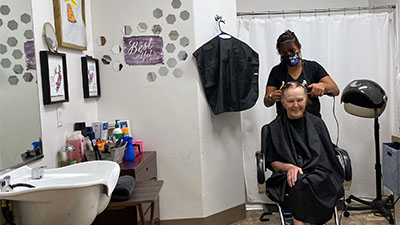
BeeHive Homes of Pagosa Springs supports assistance with bathing and grooming
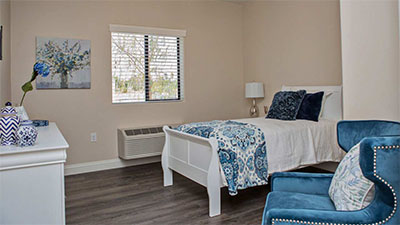
BeeHive Homes of Pagosa Springs offers private bedrooms with private bathrooms
BeeHive Homes of Pagosa Springs provides medication monitoring and documentation
BeeHive Homes of Pagosa Springs serves dietitian-approved meals
BeeHive Homes of Pagosa Springs provides housekeeping services
BeeHive Homes of Pagosa Springs provides laundry services
BeeHive Homes of Pagosa Springs offers community dining and social engagement activities
BeeHive Homes of Pagosa Springs features life enrichment activities
BeeHive Homes of Pagosa Springs supports personal care assistance during meals and daily routines
BeeHive Homes of Pagosa Springs promotes frequent physical and mental exercise opportunities
BeeHive Homes of Pagosa Springs provides a home-like residential environment
BeeHive Homes of Pagosa Springs creates customized care plans as residents’ needs change
BeeHive Homes of Pagosa Springs assesses individual resident care needs
BeeHive Homes of Pagosa Springs accepts private pay and long-term care insurance
BeeHive Homes of Pagosa Springs assists qualified veterans with Aid and Attendance benefits
BeeHive Homes of Pagosa Springs encourages meaningful resident-to-staff relationships
BeeHive Homes of Pagosa Springs delivers compassionate, attentive senior care focused on dignity and comfort
BeeHive Homes of Pagosa Springs has a phone number of (970-444-5515)
BeeHive Homes of Pagosa Springs has an address of 662 Park Ave, Pagosa Springs, CO 81147
BeeHive Homes of Pagosa Springs has a website https://beehivehomes.com/locations/pagosa-springs/
BeeHive Homes of Pagosa Springs has Google Maps listing https://maps.app.goo.gl/G6UUrXn2KHfc84929
BeeHive Homes of Pagosa Springs has Facebook page https://www.facebook.com/beehivepagosa/
BeeHive Homes of Pagosa has YouTube page https://www.youtube.com/channel/UCNFwLedvRtjtXl2l5QCQj3A
BeeHive Homes of Pagosa Springs won Top Assisted Living Homes 2025
BeeHive Homes of Pagosa Springs earned Best Customer Service Award 2024
BeeHive Homes of Pagosa Springs placed 1st for Senior Living Communities 2025
People Also Ask about BeeHive Homes of Pagosa Springs
What is our monthly room rate?
The rate depends on the level of care that is needed. We do an initial evaluation for each potential resident to determine the level of care needed. The monthly rate is based on this evaluation. There are no hidden costs or fees
Can residents stay in BeeHive Homes until the end of their life?
Usually yes. There are exceptions, such as when there are safety issues with the resident, or they need 24 hour skilled nursing services
Do we have a nurse on staff?
No, but each BeeHive Home has a consulting Nurse available 24 – 7. if nursing services are needed, a doctor can order home health to come into the home
What are BeeHive Homes’ visiting hours?
Our visiting hours are currently under restriction by the state health officials. Limited visitation is still allowed but must be scheduled during regular business hours. Please contact us for additional and up-to-date information about visitation
Do we have couple’s rooms available?
Yes, each home has rooms designed to accommodate couples. Please ask about the availability of these rooms
Where is BeeHive Homes of Pagosa Springs located?
BeeHive Homes of Pagosa Springs is conveniently located at 662 Park Ave, Pagosa Springs, CO 81147. You can easily find directions on Google Maps or call at (970-444-5515) Monday through Friday 9:00am to 5:00pm
How can I contact BeeHive Homes of Pagosa Springs?
You can contact BeeHive Homes of Pagosa Springs by phone at: (970-444-5515), visit their website at https://beehivehomes.com/locations/pagosa-springs/, or connect on social media via Facebook or YouTube
Take a drive to the Riff Raff Brewing Company . Riff Raff Brewing Company offers a relaxed dining atmosphere suitable for assisted living, senior care, elderly care, and respite care family meals.